

How to Train Dispatchers for Success: A Comprehensive Guide
Dispatchers are the backbone of any transportation and limousine service. They coordinate drivers, manage schedules, and ensure customer satisfaction. Without well-trained dispatchers, businesses risk operational inefficiencies, miscommunication, and poor service delivery.
At Saztech Solutions, we understand the nuances of modern dispatching. Our free limo dispatch software empowers teams to streamline operations — but technology only works when dispatchers are expertly trained. This guide provides a detailed roadmap to training dispatchers for success, addressing common challenges and offering actionable solutions to improve dispatcher performance.
1. Understanding the Core Responsibilities of Dispatchers
Issue: Lack of Clarity in Dispatcher Roles
Many dispatchers start their roles without fully understanding their responsibilities. This lack of clarity can lead to confusion, mismanagement, and operational inefficiencies.
Solution: Define and Standardize Dispatcher Duties
- Create a Clear Job Description – List core tasks, including scheduling, routing, handling customer inquiries, and managing emergency situations.
- Develop Standard Operating Procedures (SOPs) – Provide a clear framework for how dispatchers should handle different situations.
- Offer Role-Specific Training – Tailor training programs based on whether the dispatcher works in general transport, limousine services, or emergency response.
By providing clear guidelines, dispatchers will have a strong foundation and be more prepared. Explore our homepage to see how structured processes integrate with modern dispatch platforms.
2. Mastering Communication and Customer Service
Issue: Poor Communication Skills
Dispatchers are the communication hub between customers and drivers. Miscommunication can lead to service delays, frustrated clients, and lost revenue.
Solution: Implement Communication Training
- Teach Active Listening Skills – Encourage dispatchers to listen carefully and repeat key details to avoid misunderstandings.
- Provide Scenario-Based Training – Use role-playing exercises to help dispatchers practice real-world communication challenges.
- Use Clear and Concise Language – Train dispatchers to provide direct and precise instructions to drivers.
A well-communicating dispatcher ensures smoother operations. According to Society for Human Resource Management, structured communication training boosts retention and service quality.
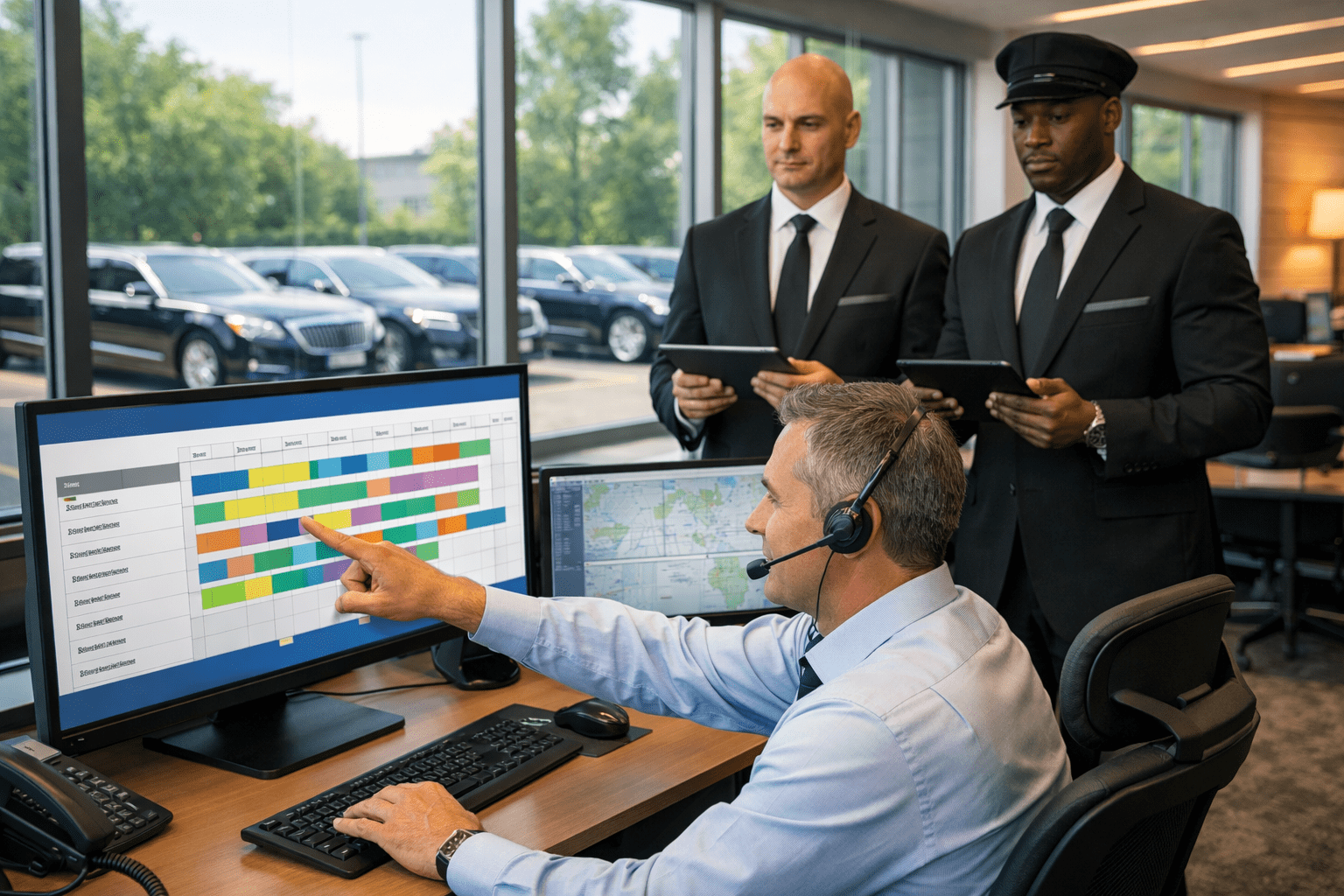
3. Familiarizing Dispatchers with Dispatch Software
Issue: Difficulty in Using Dispatch Technology
Many new dispatchers struggle with dispatching software, leading to scheduling errors and inefficiencies.
Solution: Provide Hands-On Software Training
- Conduct Step-by-Step Software Tutorials – Guide dispatchers through the software interface with real-time examples. Our free limo dispatch software includes built-in onboarding tutorials.
- Offer Regular Practice Sessions – Reinforce learning by allowing dispatchers to practice using dispatch software in a simulated environment.
- Keep Software Updated – Ensure dispatchers are trained on the latest features and updates of the software.
By mastering dispatch technology, dispatchers can work more efficiently. Read how top companies use tech from TechRepublic to improve logistics.
4. Managing High-Stress Situations Effectively
Issue: Struggles with Stress and High-Pressure Scenarios
Dispatchers often deal with emergency situations, upset customers, and last-minute scheduling changes, which can lead to burnout.
Solution: Train for Stress Management
- Teach Prioritization Techniques – Train dispatchers to categorize and prioritize tasks effectively.
- Implement a Support System – Provide mental health resources and peer support networks.
- Conduct Crisis Response Drills – Simulate emergency situations to help dispatchers develop quick decision-making skills.
Training dispatchers to handle stress improves their ability to manage critical situations. The American Psychological Association offers excellent resources on workplace resilience.
5. Enhancing Problem-Solving and Critical Thinking Skills
Issue: Dispatchers Struggle with Decision-Making
Dispatchers must make quick and accurate decisions, but a lack of problem-solving skills can hinder operations.
Solution: Foster a Problem-Solving Mindset
- Encourage Analytical Thinking – Train dispatchers to analyze data and anticipate issues before they arise.
- Use Real-Life Case Studies – Review past incidents and discuss the best possible resolutions.
- Promote a Proactive Approach – Encourage dispatchers to think ahead and prepare contingency plans.
Problem-solving skills help dispatchers navigate complex logistics with confidence. For advanced techniques, visit Harvard Business Review.
6. Improving Time Management for Maximum Efficiency
Issue: Poor Time Management Affects Operations
If dispatchers cannot manage their time well, schedules become chaotic, and service reliability declines.
Solution: Teach Time Management Strategies
- Use Automated Scheduling Tools – Train dispatchers to leverage automation for scheduling efficiency. Our free dispatch software includes smart scheduling modules.
- Set Prioritization Rules – Teach dispatchers how to rank tasks by urgency and importance.
- Monitor and Optimize Workflows – Regularly review dispatcher productivity and make adjustments where needed.
7. Understanding and Applying Safety Regulations
Issue: Lack of Awareness of Transportation Regulations
Ignorance of industry regulations can lead to compliance violations and legal issues.
Solution: Provide Regulatory Training
- Educate on DOT and Safety Guidelines – Ensure dispatchers understand transportation and limousine industry laws. Check DOT official site for updates.
- Conduct Compliance Workshops – Regular training sessions keep dispatchers updated on regulatory changes.
- Implement a Compliance Checklist – A structured checklist helps dispatchers ensure regulatory adherence.
8. Enhancing Customer Relations and Conflict Resolution
Issue: Difficulty Handling Customer Complaints
Poor conflict resolution can damage the company’s reputation and customer trust.
Solution: Train Dispatchers in Conflict Management
- Teach De-Escalation Techniques – Dispatchers should learn how to calm upset customers effectively.
- Encourage Empathy and Patience – Understanding customer concerns leads to better service outcomes.
- Use Positive Language Strategies – Phrasing matters; using a solution-oriented approach can ease tensions.
9. Encouraging Continuous Learning and Development
Issue: Stagnation in Dispatcher Skills
Without ongoing learning, dispatchers may fall behind in best practices and new technologies.
Solution: Establish Ongoing Training Programs
- Offer Advanced Training Modules – Provide specialized courses for experienced dispatchers.
- Encourage Peer Learning – Let dispatchers share insights and best practices.
- Implement a Certification System – Rewarding training completion with certifications enhances motivation.
10. Utilizing Performance Metrics for Growth
Issue: No Clear Performance Evaluation System
Without tracking key performance indicators (KPIs), it’s hard to measure dispatcher success.
Solution: Use Data-Driven Performance Reviews
- Set Measurable KPIs – Track response times, accuracy, and customer satisfaction.
- Provide Constructive Feedback – Regular performance reviews help dispatchers improve.
- Reward High Performers – Recognizing top dispatchers boosts morale and motivation.
Monitoring performance helps identify strengths. Learn about KPI best practices from Entrepreneur.
How to build a dispatcher training program: step by step
Follow this practical guide to immediately improve your team’s performance. It combines the solutions above into a ready-to-use roadmap.
Bookmark our homepage for more operational insights.
Frequently asked questions about dispatcher training
Conclusion
Training dispatchers for success involves a combination of technical skills, problem-solving abilities, and customer service expertise. By addressing key challenges and implementing targeted training strategies, transportation and limousine service businesses can build a strong, efficient dispatch team.
For top-tier dispatch and customer support solutions, consider Saztech Solutions. Their professional services ensure smooth and efficient dispatching, helping businesses thrive in the competitive transportation industry. Don’t forget to explore the free dispatch software — it’s the perfect companion to your newly trained team.
About Us |
Pricing |
Get Started |
FAQ |
Dispatch Daily |
Contact Us
WhatsApp |
Facebook |
© Saztech Solutions — training dispatchers for success, every day.



Leave a Reply