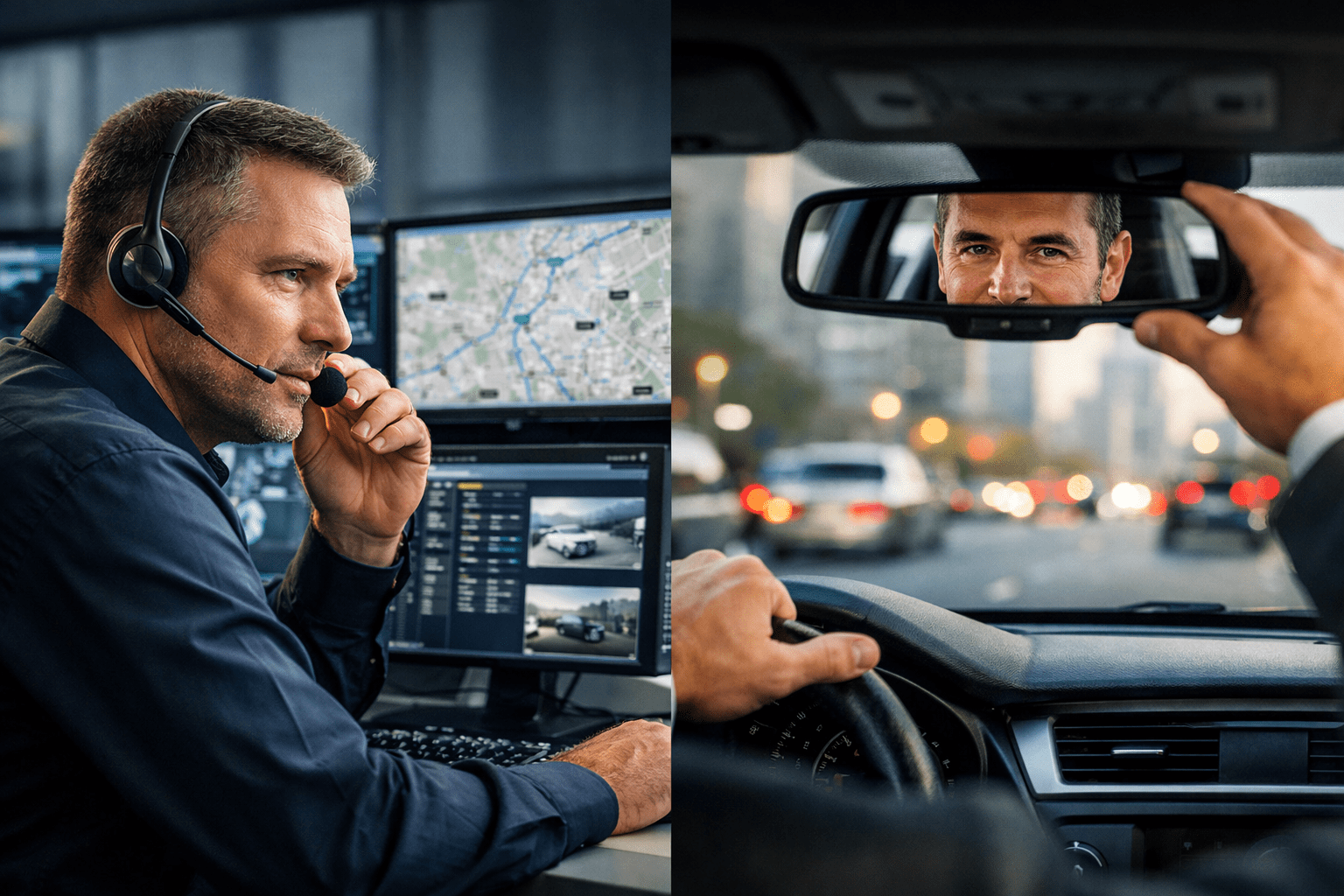

How to Prevent Drivers From Stealing Clients
Your client list is undoubtedly your most valuable asset. Therefore, losing clients to a rogue driver is a serious threat. This practice, often called “theft of service,” directly harms your revenue. Moreover, it damages the trust you’ve carefully built with your customers. Consequently, you must take definitive steps to prevent drivers from stealing clients. This article consequently provides a strategic roadmap to protect your business. Specifically, we will cover contracts, technology, and operational controls. Ultimately, our goal is to help you secure your company’s future.
The Real Cost of Client Poaching
When a driver solicits your client, the damage is unfortunately immediate. First, you lose the future revenue from that client entirely. Consequently, your marketing investment to acquire them is completely wasted. Moreover, your company’s reputation suffers a significant and lasting blow. The client might consequently see you as having poor operational control. This perception can subsequently lead to negative reviews and referrals. Furthermore, it creates a toxic culture among your remaining team. Other drivers may consequently see this behavior and feel it’s acceptable. Therefore, addressing this issue is about more than just money. It is fundamentally about preserving your company’s integrity and operational stability.
The problem is unfortunately more common than many owners admit. It often starts small, such as a driver sharing a personal number. They might consequently offer the client a “better rate” outside the company. This action subsequently bypasses your contracts and your quality standards. Ultimately, you are left financing the vehicle and insurance for a competitor. You must therefore build a system that makes this behavior impossible. This consequently requires a combination of policy, technology, and vigilant management.
Strong Contracts and Legal Deterrents
Your first line of defense is consequently a robust independent contractor agreement. This legal document must explicitly prohibit soliciting clients. It should clearly state that client data is exclusive company property. Furthermore, include a non-solicitation clause that survives termination. This means the driver cannot consequently take clients even after they leave. You should have all drivers sign this document before their first trip. It subsequently sets a professional tone from day one.
Additionally, create a clear, separate driver code of conduct. This document should outline the consequences of stealing clients. These consequences must include immediate termination and potential legal action. Make sure every driver receives a copy annually. Have them sign an acknowledgment of receipt accordingly. This consequently removes any ambiguity about the rules. For legal backing, you can reference resources from the National Limousine Association. They often provide guidance on industry-standard contracts and best practices.
However, a contract alone is unfortunately not enough. You consequently need systems to enforce these rules. Therefore, combine your legal foundation with operational technology. This consequently creates a comprehensive barrier against client theft. Remember, the goal is ultimately to prevent drivers from stealing clients, not just punish them after the fact.
Protecting Client Data with Technology
Client data must be tightly controlled and consistently obscured. Never give drivers full access to client contact information. Use a dispatching system that effectively masks phone numbers. When a driver calls a client, the app should accordingly use a relay number. Consequently, the driver never sees the client’s real phone number. This is consequently a highly effective way to protect your database. Many modern transportation management systems fortunately offer this feature.
Furthermore, avoid sending detailed client manifests via email or text. Drivers should only see what they need for the immediate trip. The pick-up location and client name are generally sufficient. The client’s phone number, email, and home address are fortunately not needed for a standard pickup. By limiting data exposure, you subsequently limit the risk. This is fundamentally a principle of data security. For insights on data protection standards, you can explore guidelines from the Federal Motor Carrier Safety Administration on data handling and privacy. They notably emphasize the importance of controlling sensitive information.
Your reservation system is also a critical tool. It should log every interaction and trip detail. This consequently creates a comprehensive audit trail. If a client suddenly books directly with a former driver, you consequently have evidence. This data is therefore invaluable for any legal action you might take. Thus, investing in a robust technology platform is a direct investment in client retention.
Optimize Dispatch Control to Stop Client Theft
Your dispatch process is the central nervous system of your operation. It must be specifically designed to stop client theft. Therefore, all bookings must go through a central dispatch system. Never allow drivers to book future trips directly with a client. If a client requests a repeat ride, they must call your office. Alternatively, they can book through your app or website. This consequently reinforces that the company owns the relationship.
Dispatch should randomly assign trips when operationally possible. This consequently prevents drivers from building exclusive relationships. If a client always gets the same driver, a bond inevitably forms. That bond can unfortunately bypass the company. By rotating drivers, the client’s loyalty stays with your brand. They subsequently associate the great service with your company, not one person. This strategy is therefore essential for corporate accounts. For round-the-clock support that reinforces this centralized model, explore our dedicated services designed to maintain dispatch control.
Moreover, use your dispatching software to monitor driver behavior consistently. Look for suspicious patterns. Is a driver frequently taking trips to the same area off-duty? Are they logging long breaks after dropping off a client? These could be signs of off-book activity. Your dispatch team is consequently your eyes and ears. Empower them to question anomalies and enforce company policy accordingly.
Enhance Customer Experience to Build Brand Loyalty
The best defense against client poaching is ultimately a loyal customer. When clients love your company, they consequently won’t leave for a driver. Therefore, your focus must be on delivering a consistent, excellent experience. This experience should be tied to your brand, not an individual chauffeur. Use branded vehicles, uniforms, and mobile apps accordingly. Make the entire experience unmistakably yours.
Train your chauffeurs to represent your brand professionally. They should understand that their role is to deliver your service. They are consequently the face of the company, not a freelance operator. Consequently, your training must emphasize company pride. Drivers should be equipped to handle any issue by contacting dispatch. They should never feel the need to “take care of” a client on their own. This professional boundary subsequently protects both the driver and the company.
Additionally, implement a customer loyalty program strategically. Reward clients for booking directly through your channels. Offer perks that a rogue driver simply cannot replicate. This could be guaranteed vehicle selection or complimentary upgrades. When the company offers clear value, the driver consequently has less to offer. You effectively make the decision to go direct an easy one for the client.
Strategic Marketing to Own the Client Relationship
Your marketing efforts should consistently communicate your unique value. Remind clients why booking with you is demonstrably superior. Highlight your insurance coverage, 24/7 support, and fleet quality. A single driver unfortunately cannot offer these guarantees. Use email newsletters to stay consistently top-of-mind. Share industry news, company updates, and special offers accordingly. This ongoing communication makes clients feel deeply connected to your brand.
Furthermore, solicit feedback after every single trip. Send a survey via email or text accordingly. This shows clients you genuinely care about their experience. It also provides you with valuable operational data. If a client mentions a driver by name in a positive way, that’s good. However, follow up by reinforcing your company’s role in that experience. Thank them for choosing your service specifically. This small act consequently reinforces the company-client bond. For more insights on building these marketing systems, you can visit SazTech Solutions to see how we help transportation businesses grow.
Your website and app are also crucial tools. Make booking through them effortlessly simple. If it’s easier than texting a driver, clients will naturally use it. Therefore, invest in a seamless user experience accordingly. This digital convenience is a powerful weapon against client poaching. It ensures the transaction always runs through your secure systems.
Financial Incentives to Align Driver Interests
Sometimes, drivers steal clients because they feel genuinely underappreciated. They might believe they deserve a larger share of the fare. Therefore, create compensation structures that discourage this behavior. Offer performance-based bonuses regularly. Reward drivers for high customer satisfaction scores consistently. This consequently aligns their financial goals with your service goals.
Consider implementing a client retention bonus program. If a driver consistently serves a regular client, reward them accordingly. This bonus comes from the company, not the client’s pocket. It consequently shows the driver that loyalty to the company pays off. Consequently, they have less incentive to go rogue. They are already benefiting from the relationship within your system.
Also, be transparent about how fares are split fairly. Explain what the company’s portion specifically covers. This includes insurance, maintenance, marketing, and dispatching. When drivers understand the costs, they may be less likely to undercut you. They subsequently realize that a “better rate” offered privately is unsustainable. It unfortunately lacks the support and security your company provides.
Leverage Data and Reporting for Anomaly Detection
Your reservation system generates a wealth of valuable data. Use it strategically to identify potential theft. Run regular reports on repeat clients and their assigned drivers. Look for a high concentration of a single driver with one client. This could be a natural preference, but it consequently warrants monitoring. If that client suddenly stops booking, investigate promptly. Did they have a bad experience? Or did they unfortunately exchange numbers with that driver?
Compare your trip data to your driver’s logged hours and mileage consistently. A significant discrepancy could indicate off-book trips. For instance, a driver uses a lot of fuel but has few company trips. This is consequently a major red flag. Modern telematics and GPS data can help verify this. These tools provide an objective record of vehicle usage. They are therefore essential for modern fleet management. Industry leaders like Carey International use sophisticated technology to monitor their global operations and maintain service integrity, setting a benchmark for data-driven control.
Furthermore, track client communication channels diligently. If a client who usually books online suddenly calls a driver directly, note it. Your dispatch team should log any such incident accordingly. This consequently builds a case over time. Data doesn’t lie. It provides the hard evidence you consequently need to address the problem. Using data effectively helps you prevent drivers from stealing clients before it becomes a destructive pattern.
Team Training to Combat Client Theft Effectively
Your team culture is ultimately your strongest shield. From the very first interview, emphasize integrity consistently. Ask candidates how they would handle a client offering cash for a private ride. Their answer will consequently tell you a lot. Hire people who genuinely align with your company’s values. Then, reinforce those values constantly through ongoing training.
Conduct regular meetings focused on ethics and professionalism. Discuss real-world scenarios and the proper responses accordingly. Make it unequivocally clear that client poaching is theft. It consequently hurts the entire team. When one driver steals, it can lead to fewer trips for everyone else. This peer-pressure dynamic can be remarkably effective. Most drivers consequently want to work in a fair and stable environment.
Also, create a confidential way for drivers to report unethical behavior. This could be an anonymous tip line or a trusted manager. When drivers know their colleagues are watching, they subsequently think twice. This collective responsibility builds a strong, united team. It consequently protects your business from the inside out.
Practical Implementation Tips for Owners
Start by auditing your current contracts thoroughly. Ensure they have strong non-solicitation clauses included. If not, have a legal professional update them immediately. Next, evaluate your technology critically. Does your dispatch system mask phone numbers? If not, it’s consequently time for an upgrade. These are foundational steps that provide immediate protection.
Then, communicate your policies clearly to your entire team. Hold a mandatory meeting to discuss the new rules comprehensively. Explain the “why” behind them thoroughly. Drivers are consequently more likely to comply when they understand the reasons. Follow up this meeting with a written summary accordingly. Have every driver sign it personally. This creates a clear record of their commitment.
Finally, monitor the results consistently. Track client retention rates and driver turnover closely. Look for a decrease in complaints or suspicious activity. Adjust your strategies as needed continuously. This is consequently an ongoing process, not a one-time fix. For a personalized strategy session on protecting your transportation business, contact our team for a consultation. We specialize in building these operational safeguards.
How to Prevent Drivers From Stealing Clients Long-Term
Protecting your client base is ultimately a non-negotiable business priority. The strategies outlined above provide a comprehensive defense. You must combine strong legal contracts with modern technology. You must build a culture of loyalty and integrity consistently. Ultimately, your goal is to make client poaching impossible and undesirable. By taking these steps, you consequently secure your revenue and your reputation. You ensure that your hard work builds lasting value for your company. Start implementing these changes today to build a stronger, more resilient business for tomorrow.


Leave a Reply