
Beyond the Booking: The Operational Playbook for Building Brand Evangelists Consistently
Introduction: The High-Stakes Game of Passenger Perception
For professional transportation companies, the transaction concludes when the passenger exits the vehicle. However, the real business impact is just beginning. In an industry where vehicles and apps are increasingly commoditized, your only sustainable competitive edge is the experience you deliver. This article provides a direct, operational framework for transforming routine rides into powerful brand advocacy. The ultimate goal is not just satisfaction, but building brand evangelists consistently. These loyal clients become your most effective sales force, driving repeat bookings and premium referrals without additional marketing cost. We will move past theory into the actionable systems used by elite fleets to engineer loyalty at every touchpoint.
Industry Challenges: Why Satisfaction is No Longer Sufficient
Ground transportation faces intense pressure on multiple fronts. Ride-hailing apps have reset baseline expectations for convenience and price transparency. Driver recruitment and retention remain a persistent operational hurdle. Furthermore, corporate travel managers demand granular data and flawless service. A single negative review can overshadow dozens of perfect trips. The core challenge is that “good enough” service is a financial trap. It yields no pricing power, fosters no loyalty, and exposes your business to constant customer churn. Your operation must deliver memorable, differentiated value that passengers feel compelled to talk about. This requires moving from a reactive, transaction-focused model to a proactive, experience-driven strategy.
Strategic Solutions: Engineering Advocacy into Your Service DNA
The solution requires a deliberate, system-wide approach. You must audit every client interaction from initial inquiry to post-trip follow-up. Identify and eliminate friction points. Then, design and implement specific “wow” moments that exceed expectations. This isn’t about random acts of kindness; it’s about predictable, scalable excellence. Strategic pillars include standardized premium communication protocols, empowered frontline teams, and data collection focused on experience metrics, not just financial ones. This operational shift turns your service into a reliable differentiator. For a foundational support system that enables this focus, explore our reliable round-the-clock services.
Operational Improvements: The Dispatch and Chauffeur Synergy
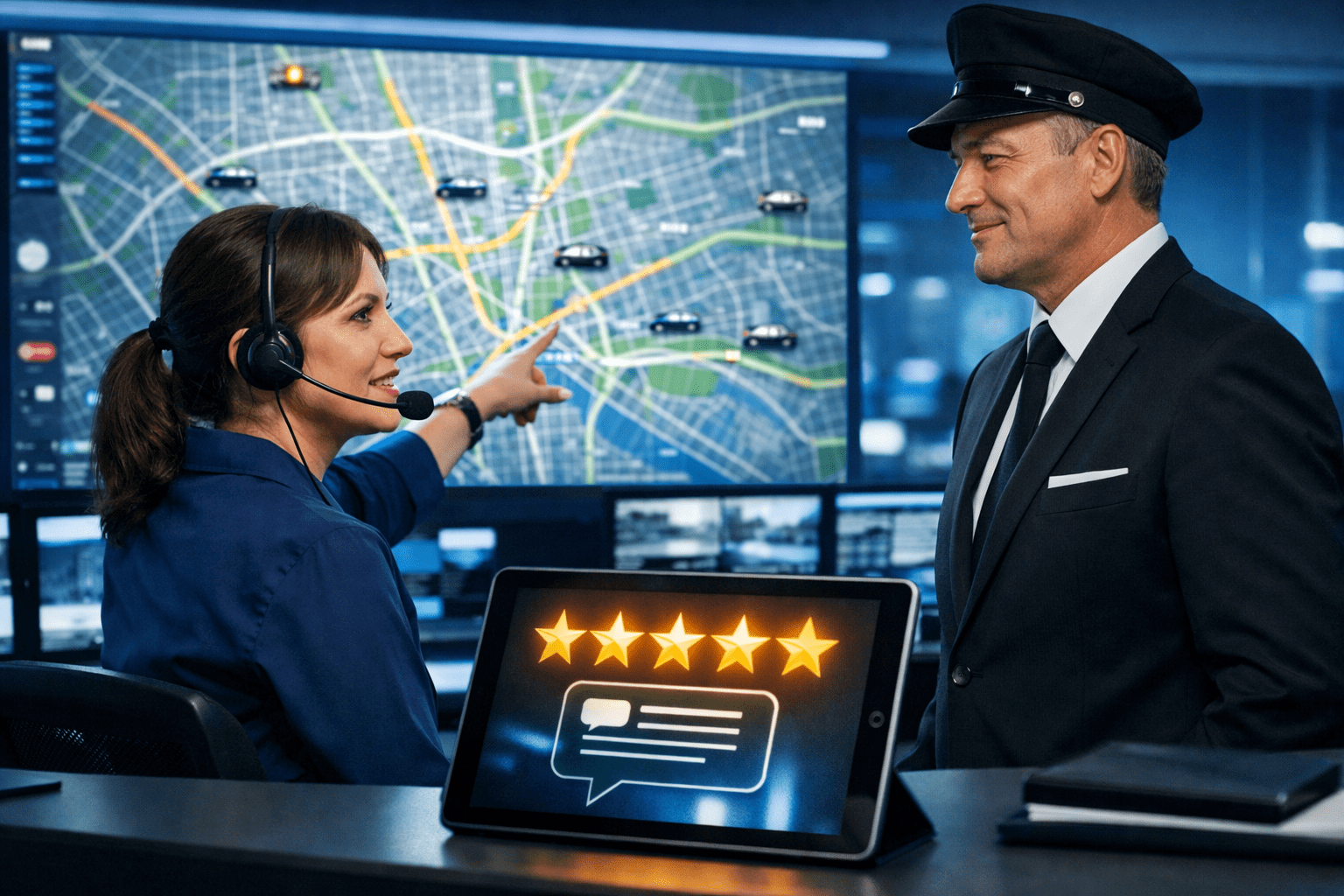
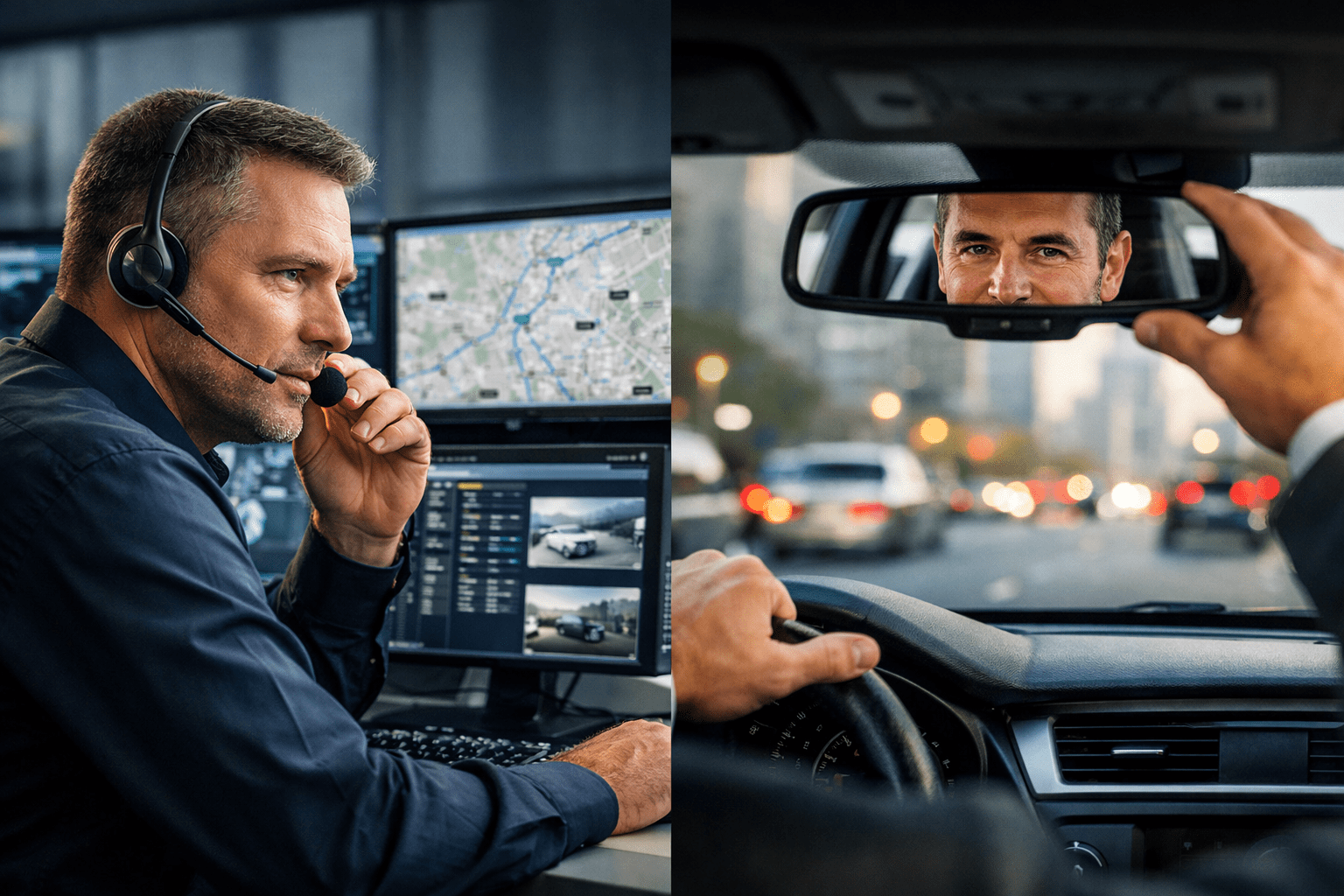
Flawless execution starts where the passenger does: with your dispatch and reservation team. Implement a detailed passenger profile system within your CRM. Note preferences (temperature, music, quiet ride), past issues, and special occasions. This intelligence must seamlessly flow to the chauffeur. The handoff from dispatcher to driver is critical. Use pre-trip briefings via your mobile app to communicate VIP status, special requests, or potential traffic challenges. Empower dispatchers to make small goodwill gestures, like approving a bottled water restock for a delayed client. This synergy ensures the experience promised during booking is the one delivered on the road. It’s the operational bedrock for building brand evangelists consistently.
Customer Experience: The Four Pillars of Memorable Service
Elevating the in-vehicle experience requires focus on four tangible pillars.
1. The Pre-Touch Communication Protocol
Automate, then personalize. Send a confirmed booking email with driver details and vehicle photo 24 hours prior. The chauffeur must send a proactive text upon arrival, not just a parked car pin. For corporate accounts, include a secure trip manifest link for travel managers. This reduces anxiety and builds immediate confidence.
2. The Curated Journey Environment
Beyond a clean vehicle, train chauffeurs on environmental control. Offer a genuine choice: “I have the climate at 72 degrees, but please adjust it to your preference.” Have a premium, curated music playlist ready but default to silence or low-volume news. The cabin should feel like a tailored sanctuary, not a generic space.
3. The Professional, Predictable Interaction
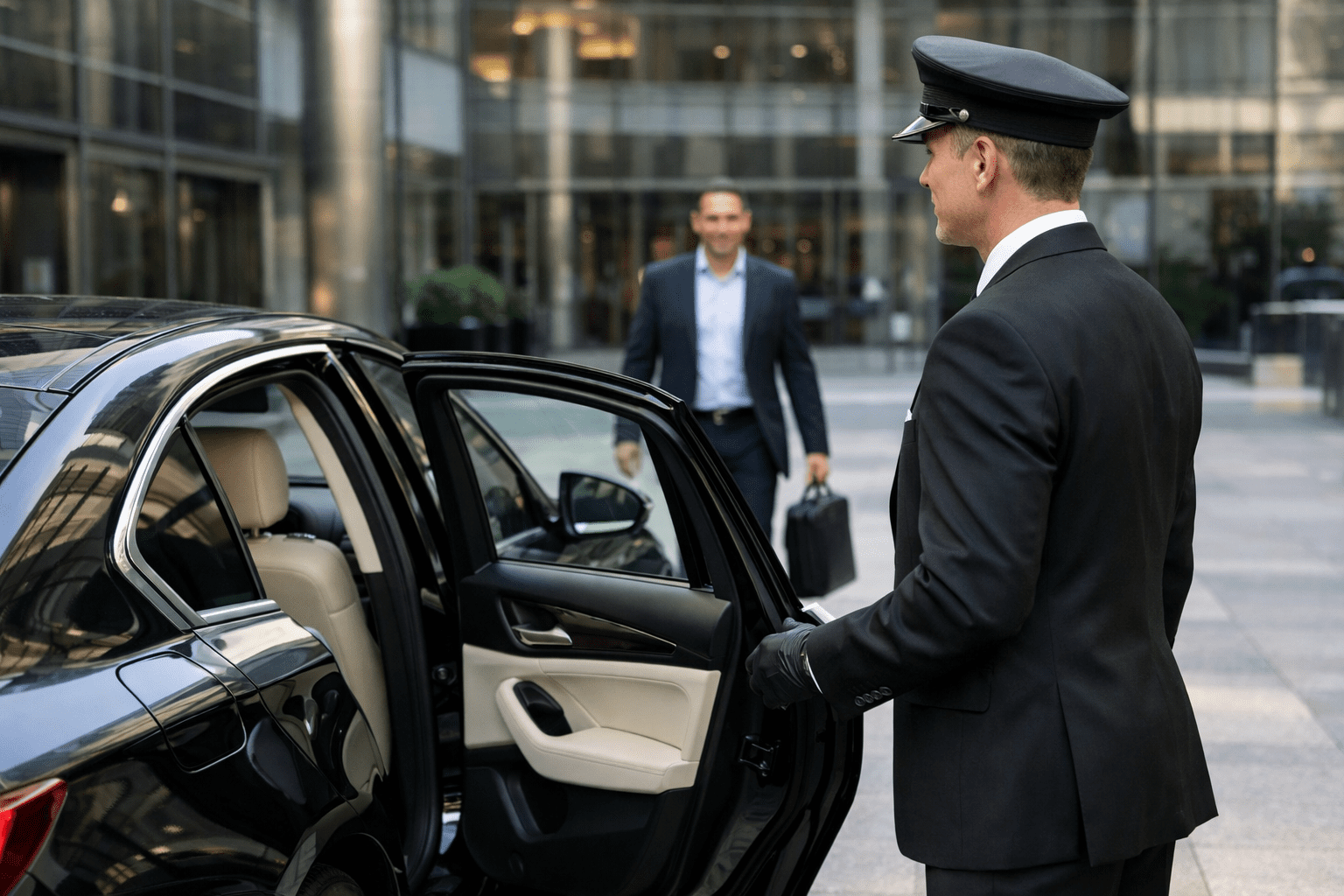
Chauffeur training must cover professional discretion and anticipatory service. This includes handling client calls respectfully, managing luggage without being asked, and knowing when conversation is welcome. Consistency here is more valuable than occasional extraordinary effort. Standards set by associations like the National Limousine Association (NLA) provide an excellent baseline for professional conduct.
4. The Strategic Post-Touch Follow-Up
The follow-up is your chance to cement the experience. Move beyond a generic “How was your ride?” survey. Reference the specific trip: “We hope your meeting at [Client Company] went well after your timely arrival this morning.” Include a direct line to the operations manager for feedback. This shows you track and value their individual business.
Marketing Growth: Leveraging Evangelists for Acquisition
A service culture directly fuels marketing. Satisfied clients are a goldmine for authentic social proof. Create a simple system for collecting and showcasing testimonials. After a positive review or survey, send a personal thank you and a polite request for a Google or LinkedIn recommendation. Feature these stories in your marketing. Implement a structured referral program with tangible rewards for both referrer and referee—not just a discount, but perhaps a airport meet-and-greet upgrade. Furthermore, monitor sites like Global Traveler to understand the service expectations of high-value travelers. Your marketing message then shifts from “we have cars” to “our clients rave about our service.”
Scalability & Cost Benefits: The Economics of Loyalty
Investing in experience is not a cost center; it’s a profit optimization strategy. Acquiring a new client can cost five times more than retaining an existing one. Loyal clients book more frequently, are less price-sensitive, and have a higher lifetime value. They also reduce operational overhead by requiring less pre-sale support and by providing predictable business. By systematically building brand evangelists consistently, you build a buffer against market fluctuations. Your revenue base becomes more stable and predictable. This model scales because it’s built on systems and training, not the charisma of a single employee. It transforms cost-per-acquisition into long-term customer equity.
Technology & Data Integration: Measuring What Matters
Your software must support your experience goals. Use your CRM to track more than trips and revenue. Tag clients by “evangelist status,” referral history, and preference data. Implement a robust survey tool that measures Net Promoter Score (NPS) after every trip, not just quarterly. Analyze this data in operations meetings alongside financials. Look for correlations between specific chauffeurs or dispatchers and high NPS scores. Reward those behaviors. Link your dispatch software to a reputation management platform to track reviews across all sites in real-time. Technology should provide the dashboard for your culture, showing you where your experience engine is running smoothly and where it needs maintenance.
Team & Training Optimization: Your Frontline as Experience Architects
Your chauffeurs and dispatchers are not just employees; they are experience architects. Hire for attitude and empathy, then train for skill. Develop a multi-tiered training program that goes beyond driving and logistics. Include modules on professional etiquette, conflict de-escalation, and anticipatory service. Empower your team with a discretionary budget for service recovery and small delights—a $5 coffee card for a client facing a long flight delay. Recognize and reward team members cited by name in positive reviews. This investment in your team is the single most important factor in building brand evangelists consistently. Their engagement directly translates to passenger delight.
Implementation Tips: Your 90-Day Roadmap to a Service Culture
Transformation requires a phased approach. Avoid overhauling everything at once.
Month 1: Audit and Baseline
Conduct a secret shopper audit of your own service. Map the entire customer journey. Survey your last 50 clients with a detailed NPS questionnaire. Gather your team and review the findings transparently.
Month 2: System Development & Pilot
Choose one area to improve first, such as pre-trip communication. Draft new standard operating procedures (SOPs). Pilot these changes with a small group of your best chauffeurs. Refine based on feedback. Begin formalizing your passenger profile system in your CRM.
Month 3: Rollout and Reinforcement
Launch the refined SOPs company-wide. Conduct mandatory training sessions. Introduce your recognition program for positive client feedback. Start your post-trip personalized follow-up system. Begin tracking your company NPS weekly. For expert guidance in streamlining this implementation, especially in dispatch and support, contact our team for a consultation.
Conclusion: The Enduring Advantage of Engineered Excellence
In the long run, sustainable growth in transportation belongs to companies that master the science and art of client experience. This is a deliberate operational discipline, not a marketing slogan. By embedding the principles of anticipatory service, seamless communication, and empowered teams into your daily workflow, you build a business that is fundamentally more resilient and profitable. The goal of building brand evangelists consistently turns your clientele into a strategic asset. It is the ultimate competitive moat. Start today by auditing one single touchpoint. The journey to becoming the most recommended service in your market begins with a single, intentional step toward operational excellence. For more insights and tools, visit our SazTech Solutions home page.

Leave a Reply