
The Digital Garage: A Data-Driven Blueprint to Transform Fleet Management
For decades, fleet management in the chauffeured transportation industry has often been a game of reaction. A vehicle breaks down, you scramble to fix it. Fuel costs spike, you wince at the monthly statement. A client complains about an unclean car, you address it after the fact. This reactive model erodes margins and jeopardizes service quality. However, a profound technological shift is enabling a new paradigm: the proactive, predictive, and perfectly optimized fleet. This guide provides a strategic roadmap to harness Internet of Things (IoT) sensors and predictive analytics, not as futuristic concepts, but as practical tools to fundamentally optimize fleet management operations, turning your fleet from a cost center into a resilient, profit-driving asset.
The High Cost of Reactive Fleet Management
Before building the future, you must understand the present cost. Operating without integrated data leads to pervasive, hidden inefficiencies.
First, unscheduled downtime is a revenue assassin. A luxury sedan out for repairs during a peak wedding weekend or a corporate shuttle unavailable for airport transfers represents direct lost booking income. Furthermore, according to the American Transportation Research Institute, maintenance is a top operational cost. Emergency repairs are typically 30-50% more expensive than scheduled maintenance due to parts markups and labor premiums.
Second, operational waste is often invisible. Idling engines, inefficient routing, and aggressive driving silently burn through your fuel budget—one of your largest variable expenses. Without telematics, you have no objective data to coach drivers or plan efficient routes. A partner like SazTech Solutions can help bridge this data gap by integrating dispatch intelligence with vehicle performance metrics.
Finally, customer perception suffers. An unexpected vehicle swap due to a breakdown can disrupt a meticulously planned client experience. Consistency is the cornerstone of luxury and reliability; a reactive fleet cannot guarantee it.
Strategic Solutions: Building Your Digital Foundation
The transition begins with strategy, not sensors. Your goal is to create a connected feedback loop between your vehicles, your dispatch, and your management team.
Phase 1: The Essential IoT Sensor Stack
Start with a layered approach to data collection. Basic GPS telematics is your entry point, providing real-time location and speed. Next, integrate onboard diagnostics (OBD-II) port devices to pull engine diagnostics, fuel consumption, and fault codes. For premium services, consider supplemental sensors: interior cabin noise/cleanliness monitors, tire pressure monitoring systems (TPMS), and even exterior camera systems for safety.
Phase 2: Centralizing Your Data Command Center
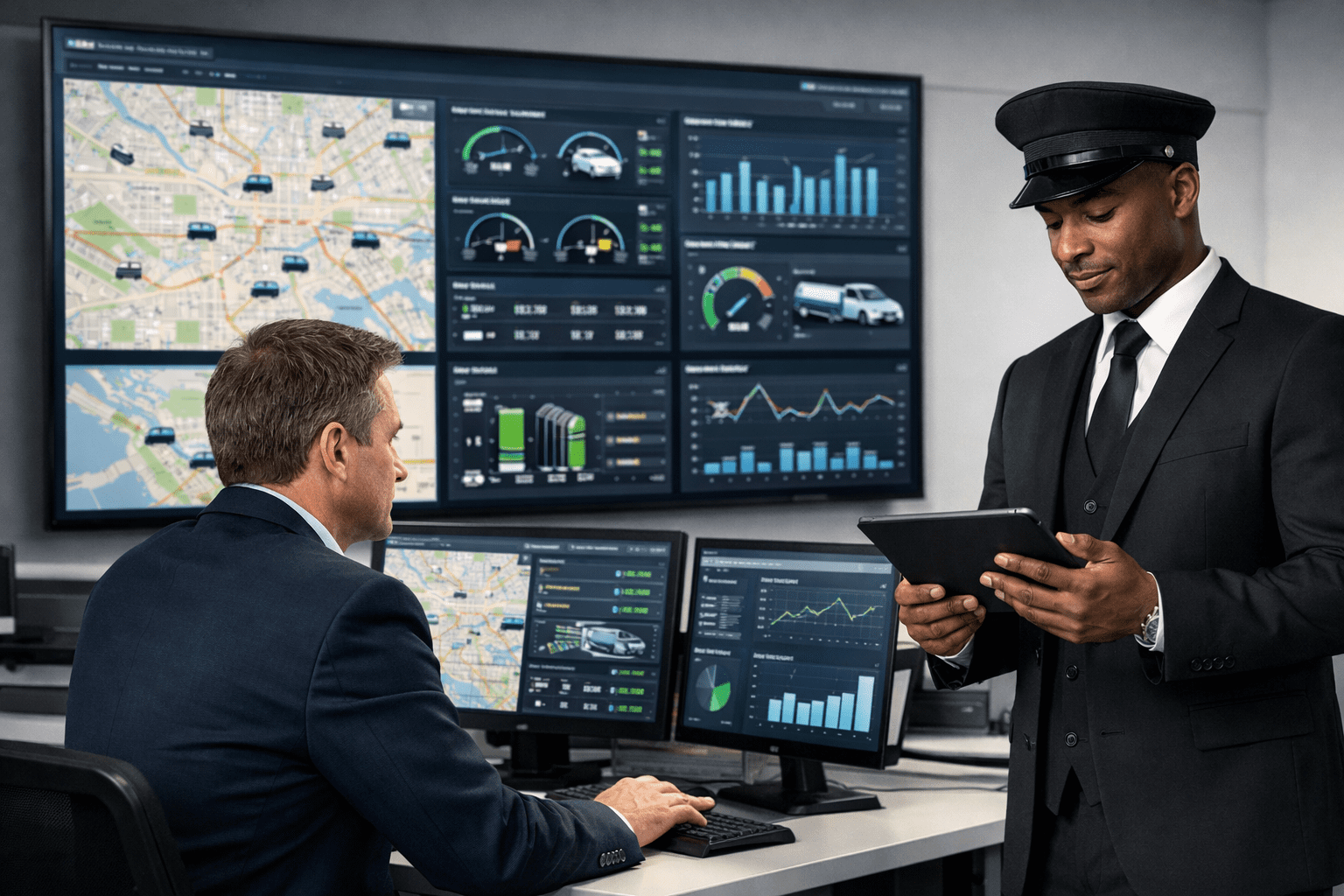
Data in silos is useless. The power comes from a Fleet Management Software (FMS) platform that aggregates IoT data, dispatch schedules from your booking software, and maintenance records. This unified dashboard becomes your single source of truth. For companies looking to implement this without overwhelming internal staff, exploring specialized operational support services can provide the expertise to manage this integration seamlessly.
This foundation enables the core mission: to systematically optimize fleet management operations through intelligence.
Operational Improvements from Raw Data
With data flowing, you can target specific, high-cost areas for immediate improvement.
Proactive maintenance is the foremost win. Predictive analytics algorithms analyze historical and real-time engine data (vibration, temperature, error codes) to forecast component failure. Instead of “Check Engine” light panic, you receive an alert: “Vehicle #12’s brake pad sensor indicates replacement needed in approximately 1,200 miles.” You schedule service during an off-peak period, using pre-negotiated parts, avoiding a crisis.
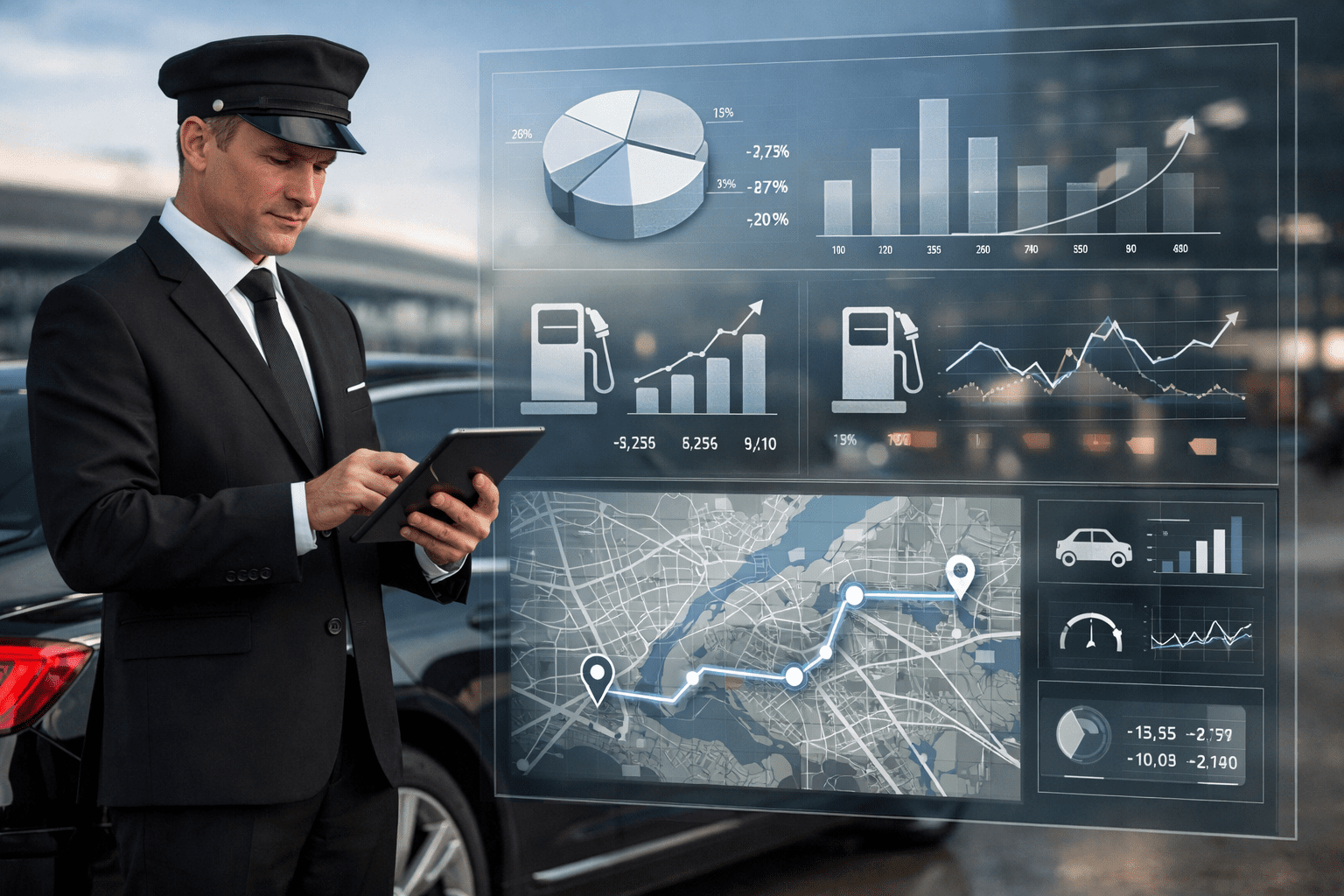
Fuel management transforms from a blanket expense to a controllable variable. Telematics identify excessive idling, harsh acceleration, and inefficient routing. You gain the evidence needed for targeted driver training programs, rewarding efficient behavior. Studies by the U.S. Department of Energy show that driver behavior alone can impact fuel economy by up to 30%.
Finally, dynamic asset utilization becomes possible. Analyze which vehicle types are in highest demand by season, day of week, or client type. This data informs strategic decisions about fleet composition, helping you right-size your inventory for maximum profitability.
Elevating the Customer Experience Proactively
Data doesn’t just improve mechanics; it enhances the human experience. Reliability is the ultimate customer service tool.
Imagine guaranteeing a client that their vehicle has undergone 127-point predictive diagnostics and is confirmed “VIP-ready.” This is a powerful marketing message. Furthermore, integrated data allows for proactive communication. If an anomaly suggests a potential delay, your dispatch—or a dedicated support partner—can alert the client and chauffeur before it becomes a problem, demonstrating superior control and care.
Consistency across your fleet is assured. Cabin sensor data can ensure every vehicle meets strict cleanliness and ambiance standards before each trip, protecting your brand promise with every ride.
Marketing Growth Fueled by Operational Excellence
A flawlessly run fleet is your best sales collateral. Leverage your investment in technology as a competitive differentiator.
Market your commitment to “100% Vehicle Availability Guarantees” or “Zero Breakdown Clauses” for corporate contracts—promises only a predictive fleet can make. Showcase your sustainability efforts with data-driven reports on reduced idle times and lower emissions for ESG-conscious corporate clients.
Your operational data also reveals upsell opportunities. If data shows a client frequently books sedans but occasionally has multiple passengers, you can automate tailored offers for SUV or sprinter van upgrades, increasing average booking value.
Scalability and Tangible Cost Benefits
The financial argument for digital transformation is clear and measurable. The initial investment in hardware and software is offset by concrete savings and new revenue protection.
- Cost Reduction: Slash fuel costs by 10-15%, reduce maintenance expenses by 15-25% through proactive care, and lower insurance premiums with verifiable safe driving data.
- Revenue Protection: Eliminate revenue loss from last-minute breakdowns during high-demand periods. Increase vehicle utilization rates by optimizing scheduling.
- Informed Capital Planning: Use longevity and performance data to make smarter decisions on when to sell or refurbish assets, maximizing resale value and minimizing capital outlay.
This holistic financial improvement is the essence of how to optimize fleet management operations for bottom-line impact.
Technology and Data Integration in Practice
Implementation requires careful vendor selection. Choose an FMS platform with open APIs that can integrate with your existing dispatch software (like Limo Anywhere, GroundWidgets) and accounting systems. Ensure robust data security and compliance, especially for any passenger-related data. The National Highway Traffic Safety Administration (NHTSA) provides guidelines on vehicle cybersecurity that are crucial to review.
Start with a pilot program on a segment of your fleet—perhaps your most frequently used vehicles or your newest models. Measure key performance indicators (KPIs) like mean time between failures, cost per mile, and fuel efficiency before and after. This controlled rollout mitigates risk and builds a compelling case for full fleet adoption.
Team and Training Optimization
Technology augments your team; it doesn’t replace them. Drivers become “Vehicle Operators” or “Client Experience Ambassadors” empowered with their own performance data. Implement gamified training using fuel efficiency scores and smooth driving metrics. Positive reinforcement based on objective data fosters a culture of excellence and ownership.
Meanwhile, your maintenance manager transitions from a firefighter to a strategic planner. Dispatchers gain superpowers, seeing not just location but vehicle health, enabling smarter assignment logic. This evolution may require new skills; sometimes, the fastest path is to consult with experts who specialize in training teams on these integrated systems.
Practical Implementation Tips
Begin your journey with clarity and phased goals.
- Audit & Baseline: Document your current maintenance costs, fuel spend, and downtime rates for the last 12 months.
- Define KPIs: Choose 3-5 primary metrics (e.g., reduction in unscheduled repairs, fuel cost per mile, increase in fleet utilization).
- Select Partners, Not Just Vendors: Choose technology providers with proven integrations in the passenger transportation industry. Look for references from similar-sized companies.
- Communicate & Train: Explain the “why” to your entire team. Frame it as a tool for better service and job security, not surveillance.
- Iterate & Scale: Start small, learn, adjust your processes, and then expand the technology across your fleet.
Conclusion: Driving Into a Smarter Future
The chauffeured transportation landscape is increasingly competitive. Service excellence is table stakes; operational brilliance is the new differentiator. By strategically deploying IoT and predictive analytics, you move from managing crises to modeling futures. You replace uncertainty with foresight, and cost centers with optimized assets. This journey to optimize fleet management operations is not merely a technology upgrade—it is a fundamental business model upgrade. It builds a more resilient, profitable, and client-centric company, perfectly positioned for sustainable growth in the modern transportation era. The road ahead is data-driven. It’s time to take the wheel.

Leave a Reply